The Soho Society: how a 1972 residents' meeting still shapes Soho
Founded in 1972 in a room above its means, the Soho Society still reads every planning and licensing application in the neighbourhood.
By Only Soho Editorial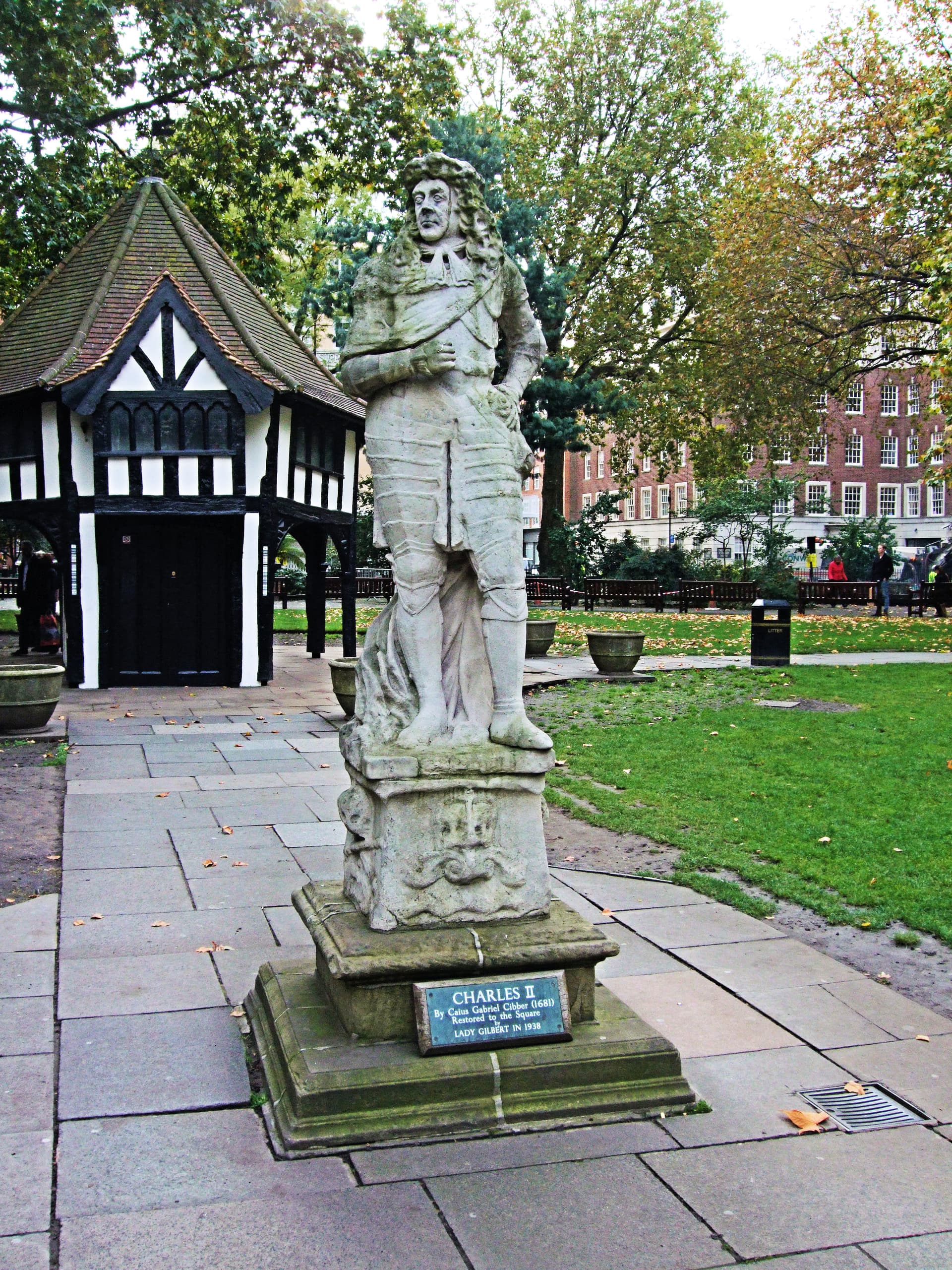
Every neighbourhood has people who read the small print. In Soho, since 1972, a good share of it has been read by the Soho Society, a residents' and community association that describes its aim as making Soho a better place to live, work and visit. It is also, as of this autumn, one of the most argued-about groups in London. Here is what it is, what it did, and how it works.
The meeting that overflowed
The early 1970s were a bad time to own a Soho lease and a worse time to rent one. According to the Camden New Journal, landlords were keen to sell, planning applications were arriving thick and fast, and the area was marked down for large-scale redevelopment. Only Greek Street, Dean Street, Frith Street, Old Compton Street and Soho Square were protected. Everything else was considered fair game.
In 1972 Thelma Seear hired a meeting room at Kettner's on Romilly Street. It held 30 people. A hundred and fifty turned up, and the Soho Society was born. Its president for many years, Leslie Hardcastle OBE, described the approach as reminiscent of an Ealing comedy.
The threats were real. Jonn Elledge points to a wave of new offices and the growth of the sex trade; City AM says one of the society's first campaigns stopped Soho being bulldozed in 1974 under the Greater London Development Plan, which proposed high-rise offices and walkways. The society's own line is that without it, it would all have been bulldozed in 1974.
What it has to show for it
- Consultative status. Within a few months of its founding, Westminster City Council gave it a formal consultative role on planning, licensing, traffic and environmental matters. Westminster recognises it as an amenity society.
- The Soho Conservation Area. The society persuaded the council to create it, protecting existing housing and businesses from demolition. It grew until it covered a square mile, and Soho is now almost entirely a conservation area, as the society's Clarion newsletter puts it.
- Soho Housing. The society established the Soho Housing Association in 1976. On London reports that it now provides about 750 affordable homes across Westminster and Camden, most of them in Soho and Covent Garden. The society's own description is nearer 800.
- Offshoots. Wikipedia lists the Museum of Soho and the Soho Neighbourhood Forum alongside the housing association.
It has also fought on individual buildings. Its newsletter records a defence of Twentieth Century House on Soho Square as an unlisted building of merit, and an objection to the proposed demolition of 80 Dean Street, urging retrofit first.
How it works
The society is a registered charity with its address at St Anne's Tower, 55 Dean Street. Its work is largely volunteer committee work.
- Planning. A planning and environment committee meets monthly and comments on planning and listed-building applications between Regent Street and Charing Cross Road, and from Oxford Street to the north side of Leicester Square. Its response to Westminster is agreed at the meeting by members present. It works from a Planning Mandate first approved at an AGM in 1991, which weighs community benefits against disruption.
- Licensing. A licensing group meets monthly to review licence applications. The society says it has no power to grant, refuse or review licences, only to make representations, and that it has never initiated a review of anyone's licence.
- Funding. It is part-funded by Westminster and sends members a posted copy of its newsletter, the Soho Clarion.
Soho has about 2,000 to 2,600 residents now, against roughly 30,000 at the end of the Second World War, and about a third are social housing tenants. The Guardian estimates the society represents around 10 per cent of residents.
The licensing row
The society's AGM on 28 May 2026 approved a licensing mandate. Reports say it commits the society to challenge all new and renewed bar and restaurant licence applications, along with any seeking hours beyond Westminster's 11pm core hours. The Guardian broke the story, and Mayor Sadiq Khan called the policy the wrong one and bad for London, pledging to use new powers to overrule objections.
Rupert Power, chair of the Soho Business Alliance and owner of Sophie's Steakhouse and Jack Solomons Club, warned it could damage Soho's reputation. The society's reply, in an 11-point statement, is that it does not operate a blanket no to hospitality, and that many of its representations ask for enforceable conditions on noise and public safety rather than objecting in principle. A spokesperson said the mandate reflects concern about cumulative impact under Westminster's policy.
You can judge the argument on its own terms. The society's chair, Tim Lord, has lived in Soho for more than 30 years, and has spoken of Soho Square as a place of respite. The society opposed the new archway from Soho Square to Dean Street in the four-building scheme including Twentieth Century House, which Westminster approved regardless.
Joining, and what to look at
Membership is open to residents, businesses, workers and visitors, with no requirement to be a resident. Members can vote at the AGM. Annual fees are £25 for an individual, £50 for a small business under 30 staff and £200 for a standard business. Lifetime membership is £250 for an individual or small business and £1,000 for a business. The society also publishes a guide on how to comment on applications; comments must relate to the licensing objectives.
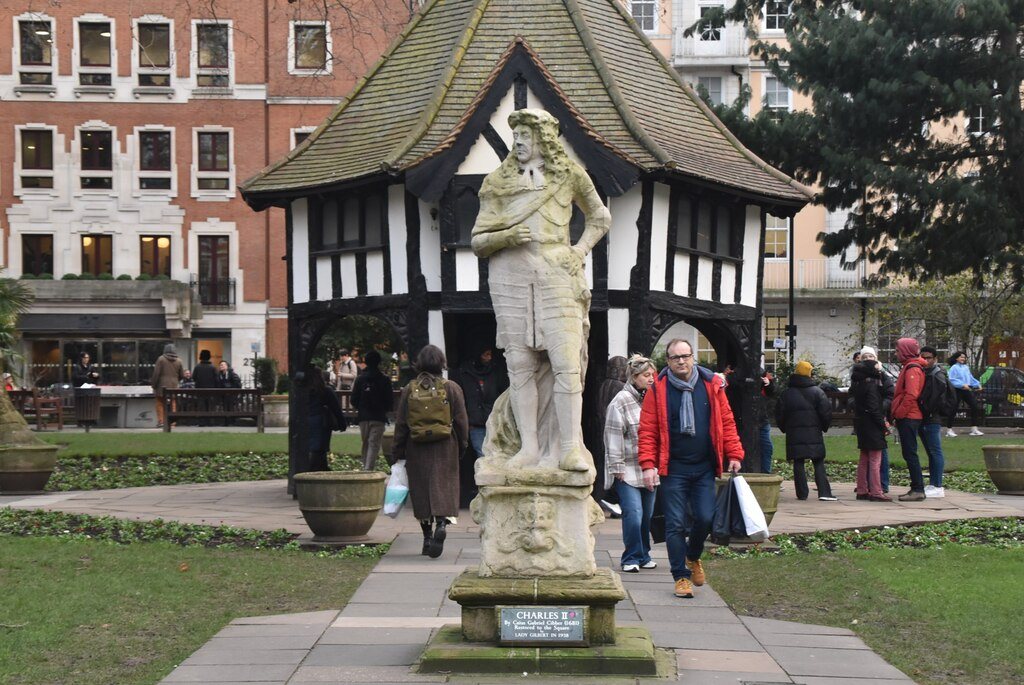
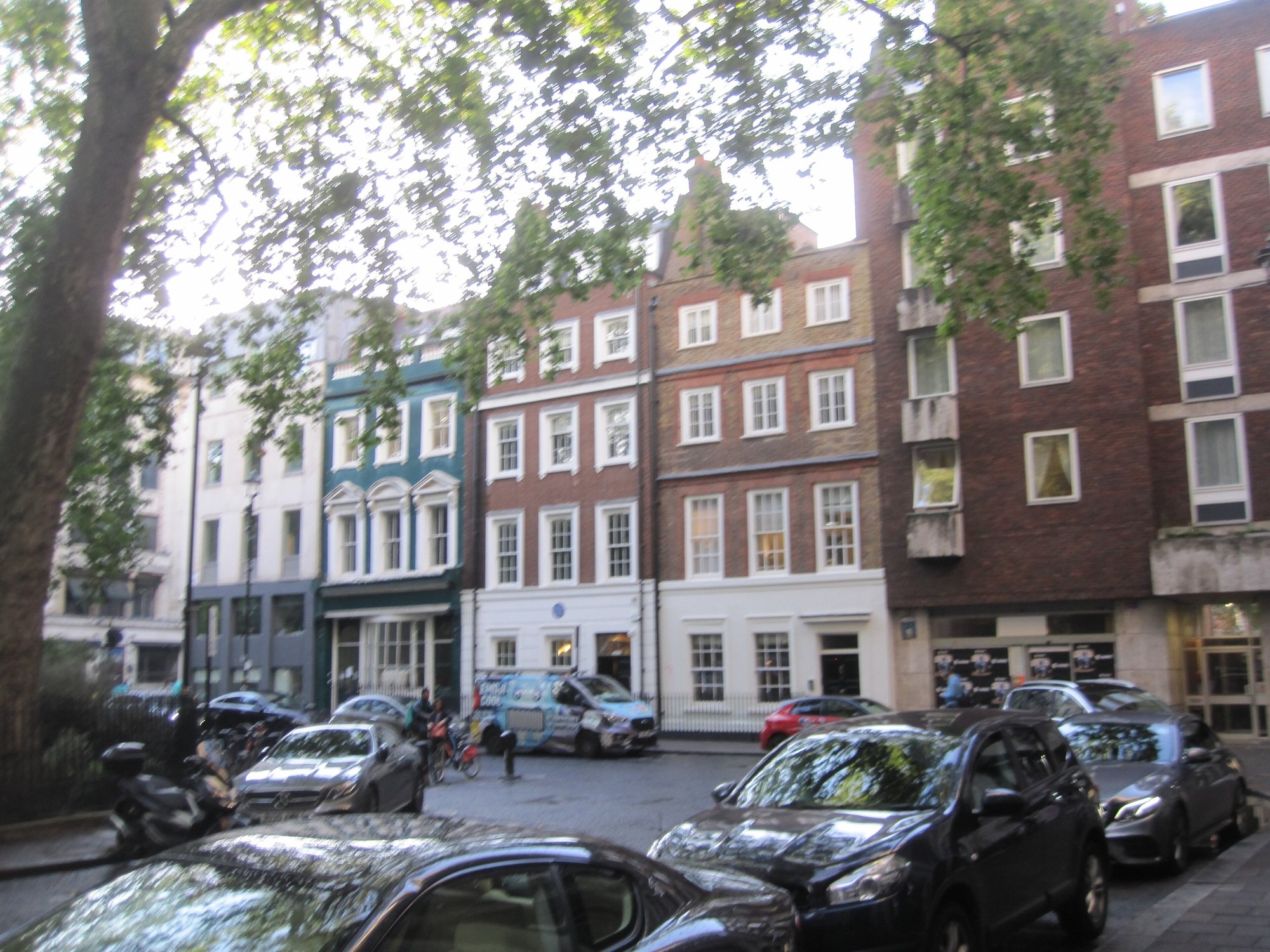
To see the ground the argument is about, walk Dean Street to number 55 and look up at St Anne's Tower, then cut through to Soho Square. Go at opening on a weekday morning, before the lunch crowd, when the garden is at its most respite-like.
Read more at the society's planning page, the Camden New Journal's account of the founding and On London's report on the licensing row.